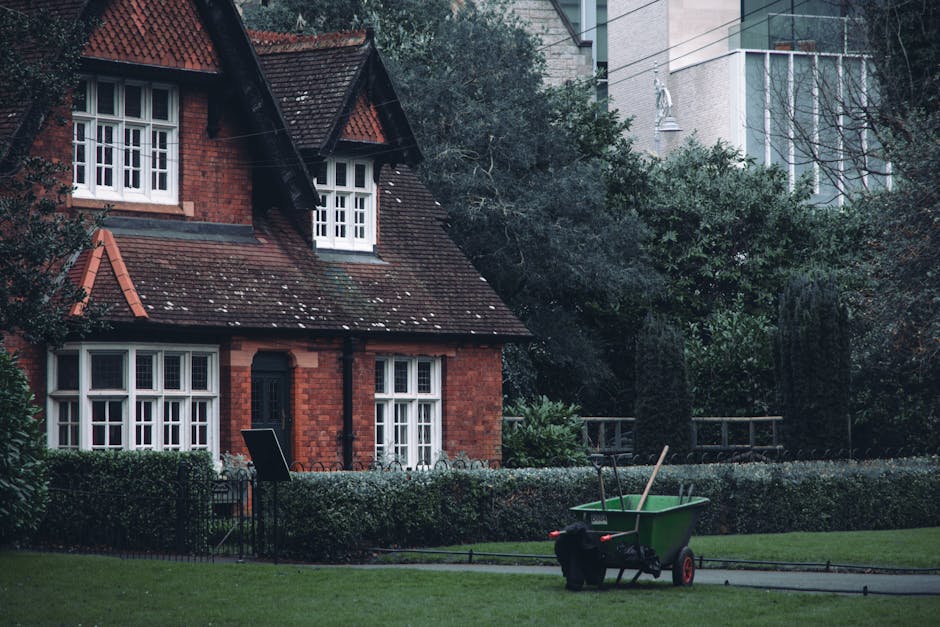
Lawn Mowing in Harlesden

Lawn mowing in Harlesden needs a careful, tidy approach that keeps grass level, edges controlled and the whole garden easy to manage. Our service focuses on regular cutting and sensible finish standards for homes, rented properties and shared outdoor spaces where a neat lawn makes everyday use simpler. We keep the work practical and straightforward, with attention to cut height, clipping management and the condition of the lawn itself.
We also support related garden tasks where they help the mowing look better and last longer. That can include basic garden maintenance around lawns, edging and border tidying, plus more involved seasonal work if the outdoor space needs it. For customers who want a broader refresh, our garden clearance service can help remove built-up waste before mowing resumes as a normal routine.
If you are comparing options, start with the condition of the grass, how often it grows, and whether you want a one-off tidy-up or a recurring visit. A clear quotation is usually easier when the lawn size, access and cutting preference are understood. You can request a quotation once you are ready, and if the job needs wider landscaping work we can discuss that alongside the mowing plan.
Routine mowing and tidy finishing
Regular mowing is the core of this service. A good cut is not only about lowering the grass; it is about leaving a clean, even finish that suits the lawn’s condition and the season. We work with normal domestic lawns, front gardens, back gardens and shared green areas that benefit from consistent upkeep. The aim is to avoid a rough, scalped or patchy appearance and to leave the lawn ready for everyday use.
In practical terms, mowing work often includes choosing a sensible cutting height, varying the pattern where needed and dealing with grass that has grown unevenly since the last visit. On thicker lawns, a lighter first pass may be more sensible than forcing the cut too low. On smaller gardens, accuracy matters just as much as speed, especially where paths, beds and borders sit close to the grass edge. If the lawn is part of a more complete garden refresh, our landscaping page covers wider outdoor improvement work that can sit alongside regular maintenance.
People often want to know whether mowing should be a simple standalone visit or part of a planned routine. The answer depends on growth rate, garden use and the amount of time between cuts. A lawn that is kept short enough for comfortable walking and simple maintenance usually needs less correction later. If the site also has overgrown corners or awkward boundary growth, hedge trimming can help stop taller growth from making the lawn look untidy from the edge inwards.
What affects the mowing plan

Not every lawn needs the same approach. Shade, wet ground, recent dry spells and the type of grass all affect how the cut should be handled. A lawn with soft growth can usually be finished neatly with standard mowing, while coarse or long grass may need a more gradual reduction. Where ground levels are uneven, the work has to account for dips, roots or raised edges so the result stays even rather than leaving missed strips.
We also consider how the lawn connects to the rest of the garden. Narrow access, steps, side returns and awkward turns around sheds can all influence how quickly and cleanly mowing can be completed. If the space has other vegetation pressing in from fences or borders, the work may be more effective when combined with tree lopping and removal or pruning-related tasks that reduce shade and contact over the grass. That does not mean every lawn needs extra work, only that some gardens are easier to maintain once the surrounding growth is under control.
Helpful details at the enquiry stage are usually straightforward: the approximate lawn size, whether it is front, back or both, how often it has been maintained, and whether the grass is already long. If you want a broader garden tidy-up rather than mowing alone, the services overview gives a simple view of the main work types we offer. That can be useful when deciding whether to book a single cut or combine several tasks into one visit.
Supported garden services alongside mowing
Many customers need more than a single cut. A lawn can look much better when nearby growth, clippings and debris are handled as part of the same visit. For that reason, we can combine mowing with sensible supporting tasks where they are relevant to the site. This keeps the result more balanced and avoids leaving the lawn neatly cut but surrounded by overgrowth or neglected borders. It also helps make ongoing upkeep simpler on later visits.
Where grass has become rough or the garden has collected branches, leaves or other debris, a clearance-first approach may be the better choice. Garden clearance is especially useful when the lawn cannot be mown properly until the heavier material has been removed. In gardens where the edges and borders need more frequent attention, our garden maintenance service can support the mowing with regular tidying and attention to growth around the main lawn area.
For customers planning a fuller refresh rather than just a cut, landscaping work can be considered too. That may involve reshaping outdoor space so the lawn is easier to keep in order, or improving the structure around beds and paths. In the same way, a neat lawn often looks better when the surrounding planting is kept in proportion. If you are arranging several jobs together, it is sensible to decide which tasks are essential now and which can wait until a later visit.
Grass cut quality, clippings and edge control

Good mowing is defined by the finish. The cut should look even from different angles, with no obvious missed patches or harsh marks from turning the mower. Where the lawn meets paving, gravel, edging or beds, the finish should feel deliberate rather than accidental. Edge control matters because many gardens can look untidy even after mowing if the borders are not visually separated from the grass.
Clipping handling is another important part of the job. Some customers prefer clippings removed, while others are happy for them to be left lightly if the cut and conditions suit that approach. What matters is that the finish matches the condition of the lawn and the expectations for the space. If you have a lawn that is used heavily by family, pets or visitors, a clean, consistent result tends to be more practical than a rough cut aimed only at speed.
In more demanding gardens, grass may need to be approached gradually rather than cut hard in one pass. That can be the right choice for lawns that have gone longer than planned between visits. A careful reduction protects the surface and produces a better final finish. Where the garden also includes raised growth close to the lawn, hedge trimming may help open up the border line so the mowing result looks sharper and easier to maintain.
About Harlesden
Harlesden is a district in north-west London within the London Borough of Brent, long shaped by movement, industry and housing change. Its history includes a shift from a relatively modest settlement into an urban area expanded by nineteenth- and twentieth-century development, with transport connections helping to tie it more closely to the wider capital. The neighbourhood sits near important routes and railway links, which has influenced both its growth and the character of its streets. Much of the built environment combines terraces, local shopping parades and later residential layers rather than a single dominant architectural style, so the area feels varied from one street to the next. The heart of Harlesden is often associated with its busy high street, while nearby streets and residential pockets offer a more settled pace. Stonebridge and Willesden are nearby districts, and the area’s position within Brent places it among a broader network of north-west London communities. Cultural life in Harlesden has also been notable, particularly through the traditions of music, markets and independent local businesses that have given the district a recognisable identity. Parks and green spaces nearby provide a contrast to the denser streets, and the area’s mix of housing, commerce and transport links means it remains a distinctive part of London’s urban geography.
H3H lawn care decisions for different garden types
The right mowing plan depends on how the lawn is used. A front garden lawn that mainly frames the property may be cut for appearance and neatness, while a back garden lawn often has to balance presentation with frequent foot traffic. In family gardens, it can be helpful to keep growth short enough for play and movement without taking too much off at once. If the surface has been neglected, it is usually better to restore it gradually than to force a severe cut that leaves the lawn stressed.
Some lawns sit among planting, gravel or narrow borders and need a careful hand near the edges. Others are larger and more open, where the main issue is achieving an even finish over a wider surface. Either way, the mowing decision is not only about the machine; it is about reading the garden and choosing a finish that matches the space. That is why a simple, well-planned cut is often more effective than a hurried pass that overlooks the lawn’s actual condition.
If you are planning work across more than one part of the garden, it can help to decide the order sensibly. For example, heavy waste should usually come out first, then trimming or clearance, then mowing, and finally any finishing touches that improve appearance. Where larger vegetation is interfering with the lawn area, tree lopping and removal can sometimes be relevant, but only when that work is actually needed to improve access, light or safety around the grass.
Preparing the site and arranging the visit

A short and accurate description of the lawn makes quotation and scheduling easier. Useful points include whether the area is flat or sloped, whether there are pets on site, and whether access is straightforward through a side passage or gate. If the lawn has become very long, saying so in advance helps set the right expectation for the first visit. That allows the work to be planned around the actual condition rather than a guess.
There is usually no need to overcomplicate preparation. Clear access to the main lawn, moving light obstacles where practical and identifying any fragile borders can be enough. If other garden tasks are involved, it may help to mention them together rather than as separate requests. That is especially true if mowing needs to follow debris removal or if the whole space would benefit from a broader tidy. For those considering layout changes later, landscape gardening is a useful page to review before deciding how much of the garden should be improved at once.
When you are ready to move forward, keep the enquiry simple and specific: what needs mowing, how often the area should be maintained and whether there are additional tasks that would be helpful. Plain details are often more useful than a long explanation. If you want to compare the service with other options, the best next step is to review the main pages and then request a quotation once you are satisfied with the scope.
Commercial areas around regular lawn care
Some outdoor spaces require mowing as part of broader property upkeep rather than simple domestic tidiness. Shared entrances, rented homes, small business grounds and mixed-use premises can all benefit from a dependable grass-cutting routine. In those settings, the aim is not only to keep the lawn short but also to maintain a good first impression and reduce the sense of neglect that can build up when the grass is left too long. Consistency matters more than dramatic intervention.
Where the lawn is part of a wider site, it may make sense to align mowing with other planned maintenance. That can include trimming back growth near boundaries, clearing lightweight waste and keeping access routes visible. If the garden or grounds have become cluttered, a combination of mowing and garden clearance may be the most efficient route back to order. If the work you need is mainly recurring care rather than one-off recovery, our garden maintenance page explains the type of ongoing support that can be arranged.
In some cases, customers want to understand costs before deciding how much work to book. A quotation normally depends on the size of the lawn, how much cutting is needed and whether additional tasks are included. To keep things straightforward, it is best to describe the site clearly and let the scope guide the price discussion. Request a quotation when you have the details ready, and we can help you match the work to the garden’s condition.
From one-off cuts to ongoing lawn care

Not every lawn needs the same pattern of visits. Some gardens only need an occasional tidy before a special event, while others benefit from a more regular schedule to stay neat and manageable. A one-off cut can restore order quickly, but routine mowing usually gives a more stable finish over time and reduces the need for corrective work. The right option depends on how fast the grass grows and how much the space is used.
Where the lawn forms part of a larger outdoor plan, it may be sensible to pair mowing with occasional hedge work, seasonal clearance or broader changes to the garden layout. That keeps the lawn from being treated as an isolated feature when the whole space influences how tidy it looks. If you are weighing up whether the area needs simple upkeep or a fuller improvement, the services overview can help you navigate the main options without committing to more than you need.
For the clearest next step, note what you want mown, how the garden is accessed and whether you need supporting work as well. Then send the details and ask for a quotation. If the main need is a neat, practical lawn cut in Harlesden, we are ready to help and can discuss the right approach for your garden.